|
Getting your Trinity Audio player ready...
|
Your home’s brick walls may look nice and strong, but they fight a quiet battle against the elements every single day. The mortar sitting between the bricks is your first line of defence, and when that begins to crumble, water gets in. It’s one of the reasons brick cleaning in London has become such a talked-about topic among homeowners.
So, what exactly is brick pointing, and why does it matter so much when it comes to water damage? Well, here’s your answer.
What Is Brick Pointing, and Why Does It Deteriorate?
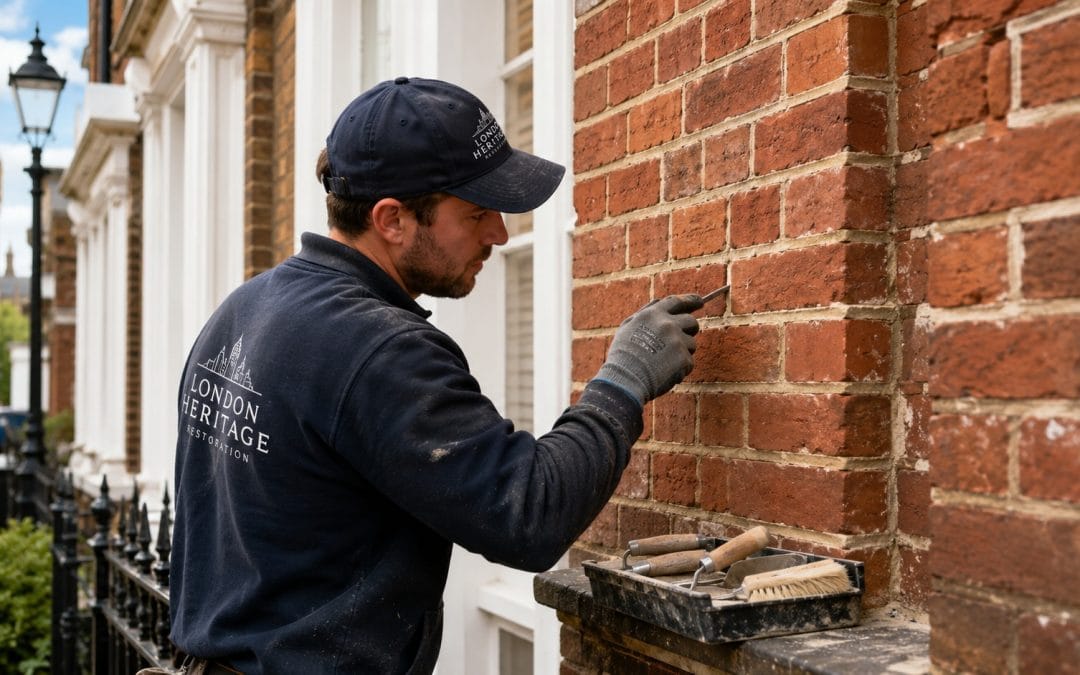
Brick pointing, sometimes called repointing, is the process of renewing the mortar between bricks. That mortar isn’t just there to hold things together. It also acts as a seal, stopping rainwater from sneaking into the gaps and making its way into the walls.
Over time, mortar naturally wears down. When water gets into small cracks, it freezes, expands, and breaks the mortar apart. Year after year, this quietly chips away at the joints until gaps appear. Once that happens, the walls are no longer watertight, and that’s how problems start.
What Happens When Water Gets In?
A few crumbling mortar joints might seem like a cosmetic issue, but the actual effects go much deeper than the surface. When water enters through damaged pointing, it can soak into the brickwork itself. This causes damp patches on internal walls. Over time, this leads to mould, peeling paint, and even damage to plaster.
In colder months/ environments, trapped moisture freezes inside the wall, causing bricks to crack and spall. If not addressed properly, this may lead to structural problems and turn a simple mortar repair into an expensive job.
How Pointing Keeps Water Out
Freshly applied pointing mortar creates a tight, weatherproof seal. When done right, it fills every gap and allows the rainwater to run off rather than pool at the joints. A well-pointed wall is rather good at shedding water, even in heavy downpours.
Repointing also restores the breathability of your walls. Good mortar allows some amount of moisture vapour to escape from within the wall. This prevents damp from building up inside.
Many people associate brick cleaning in London with improving the look of a property, but proper pointing beneath that clean surface is what keeps the structure sound and dry.
Also, read this blog: The Dirty Truth About Brick Cleaning in London (Avoid Costly Mistakes)
When Should You Get It Done?
A good rule of thumb: if the mortar between the bricks is recessed more than a few millimetres, crumbling when you press it, or visibly cracked, it’s time to act. In fact, according to experts, it is wise to inspect pointing after a harsh winter.
Regular brick cleaning in London and repointing checks help people spot problems at their nascent stage. Most professionals offer both services together, which makes sense, since cleaning the surface first allows for a much cleaner and more durable pointing job.
Key Takeaway
Protecting your home from water damage doesn’t always mean opting for expensive waterproofing or full-scale repairs. Sometimes, all it needs is timely repair of the mortar between your bricks, and that’s where we at Gladstone Tuck Pointing & Restoration Ltd come in. Our non-abrasive methods, including DOFF superheated steam cleaning and TORC low-pressure vortex cleaning, mean your brickwork is always treated with care.
When you hire our experts, every job starts with a complimentary survey and a thorough quotation, so there are no surprises later. When it comes to brick cleaning in London, we believe you deserve a service that’s transparent and really built to last. Call us now.